How to: Ring Stack
The jewellery designer’s guide to creating a ring stack that looks just right.

1 in 5 messages I get on Instagram is about ring stacking. As a jeweller, most commissions received are to make engagement rings and wedding bands so here we’ll explore together how to do engagement ring stacks, when it looks right and when it doesn’t, how to make stacks timeless, fun or Over The Top.
Most of the problems I see come from people trying to build their stack retrospectively. And almost always around a ring that was never designed for it. Then you end up with bands that don’t sit flush, have awkward gaps, different quality in craft, stones rubbing against each other (which will definitely cause scratches in time), or everything sitting way too high on the finger. It starts to feel misplaced…
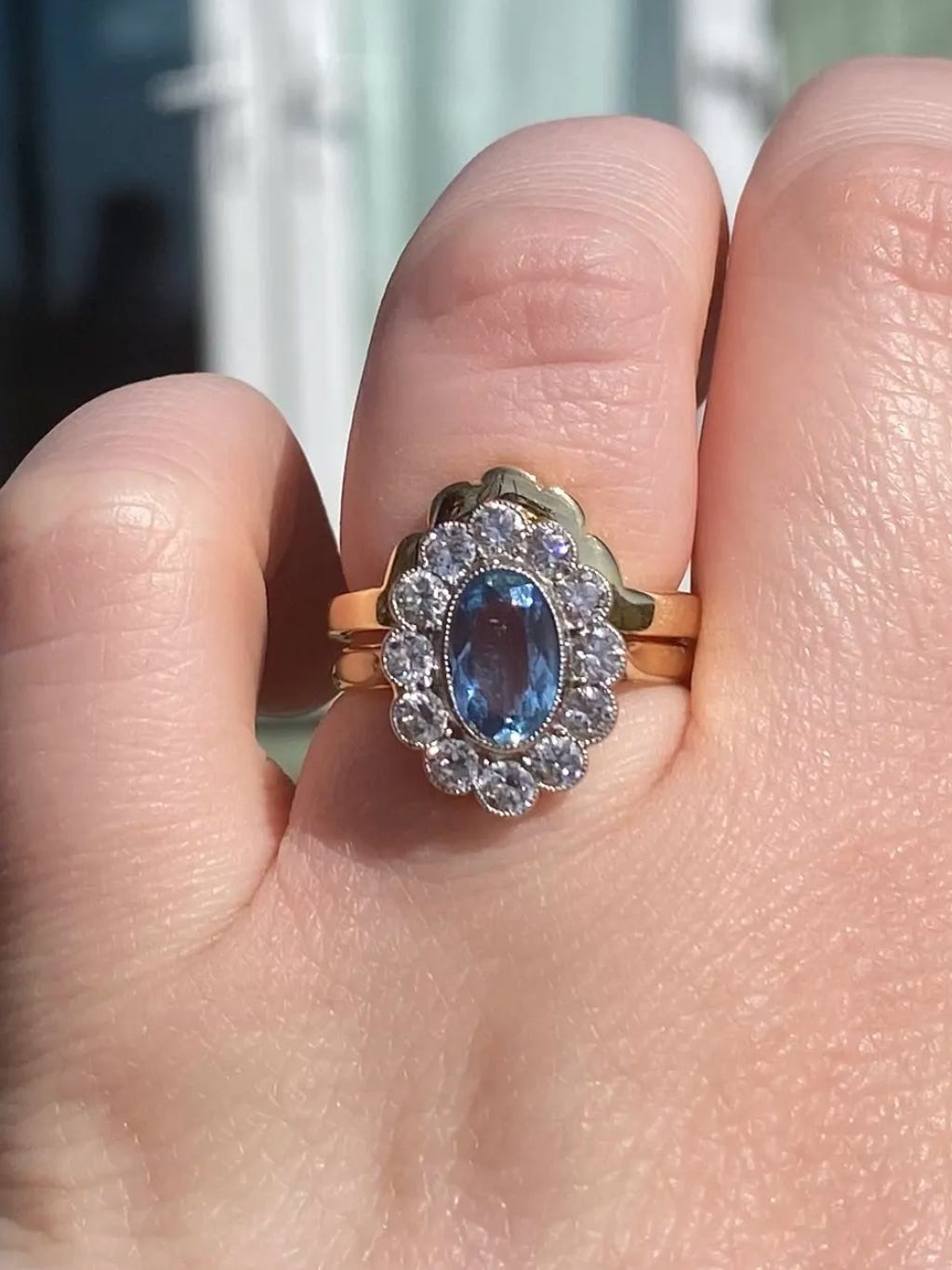
Best piece of advice to start ring stacking: make your wedding band custom-made/bespoke so that it fits with your engagement ring. Especially if it’s a curved band or something with engraving. It will sit better, hand-engraved and hand-set gems have a nicer finish. Most high-street wedding bands will be mass produced and won’t achieve the same quality than a hand made bespoke wedding band.
The things I look for in a ring stack:
Symmetry or a conscious lack of it: For example, the band of the engagement ring is the same width of the wedding band. That will create symmetry.
Gem colour: mix or match gemstones. For example, a Sapphire centre stone and then Emeralds on the wedding band - genius. Just make sure those emeralds are great quality (small emeralds of high quality can be hard to find and to match).
Metal colour: White gold and rose gold engagement, and then yellow gold band? Why not. Mix and match metals but keep it the same quality. A silver band with a platinum engagement ring won’t age the same.
Metal Texture: Why not add something subtle to make your stack unique? A hammered effect, A satin polish on that plain wedding band, A hand engraved pattern…
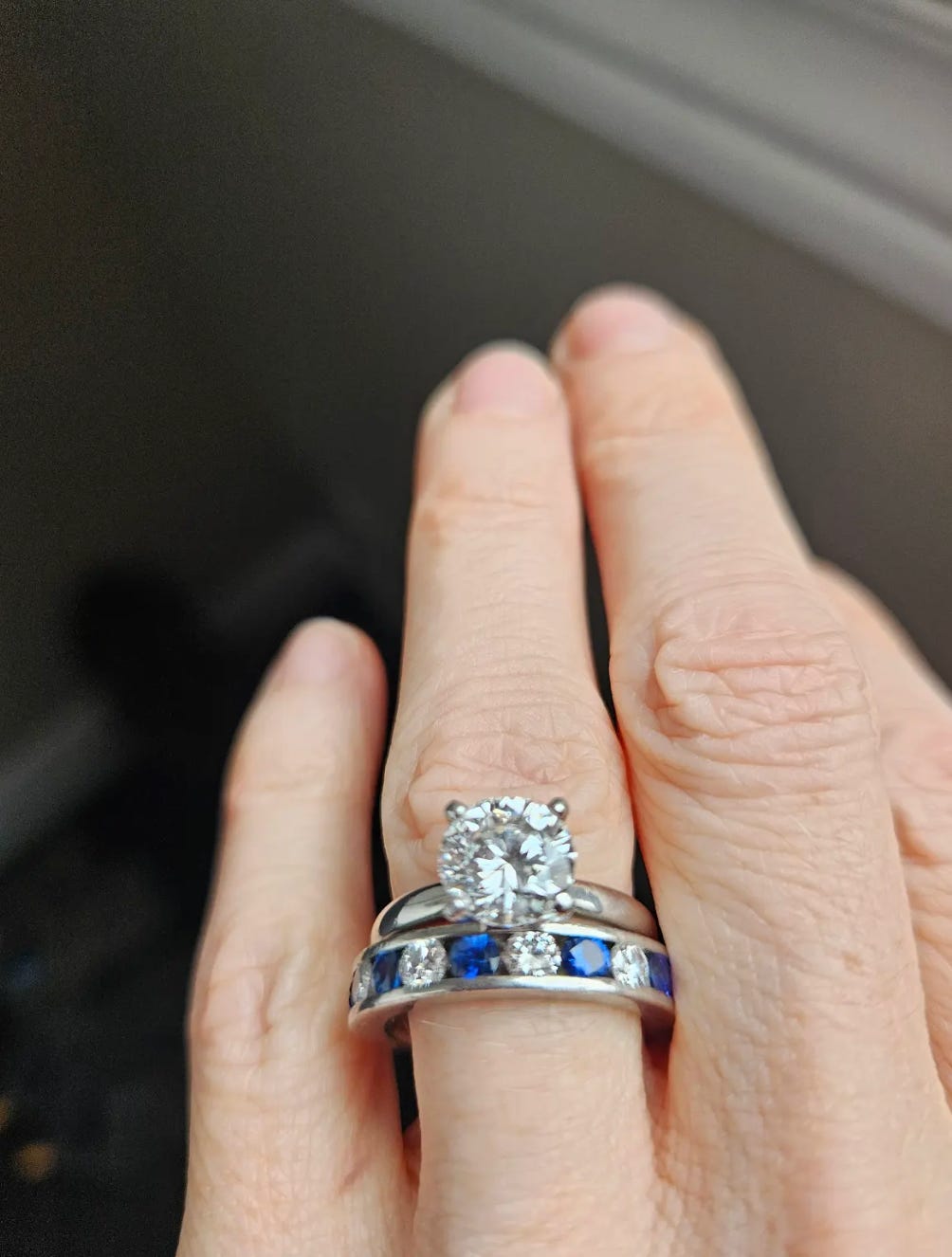
If you know you want to stack from the outset, the engagement ring should be designed with that in mind. I know that can be a bit anti-traditional, if the proposing partner has involved their partner in the design, but it is increasingly popular. For the guys proposing: maybe propose with a necklace, and say “we’ll design and have it made together.”
Ask your jeweller for the engagement ring to be “wedding fit” so that your wedding band can sit flush to your engagement ring.
Workarounds are sometimes introducing a subtle curve into the wedding band so it embraces the centre stone. Or sometimes it’s about the height of the setting or understanding how additional rings will physically interact over time. Jewellery should feel cohesive on the hand, not like separate decisions stacked around afterwards. Although, I quite like ring stacks with different meanings and representing different moments in one’s life: Engagement ring from a partner, “push present” diamond band when a baby comes and granny’s old wedding band. Feels layered doesn’t it?
What people underestimate is how architectural ring stacking is. You’re dealing with proportion, negative space, comfort, movement, wearability. A stack has to be designed for functionality before it can look really good. This is where technique and craftsmanship come into play, the side view and inside how the ring is made becomes important. Jewellery designers should talk to you about this too, not just how big the stone is.
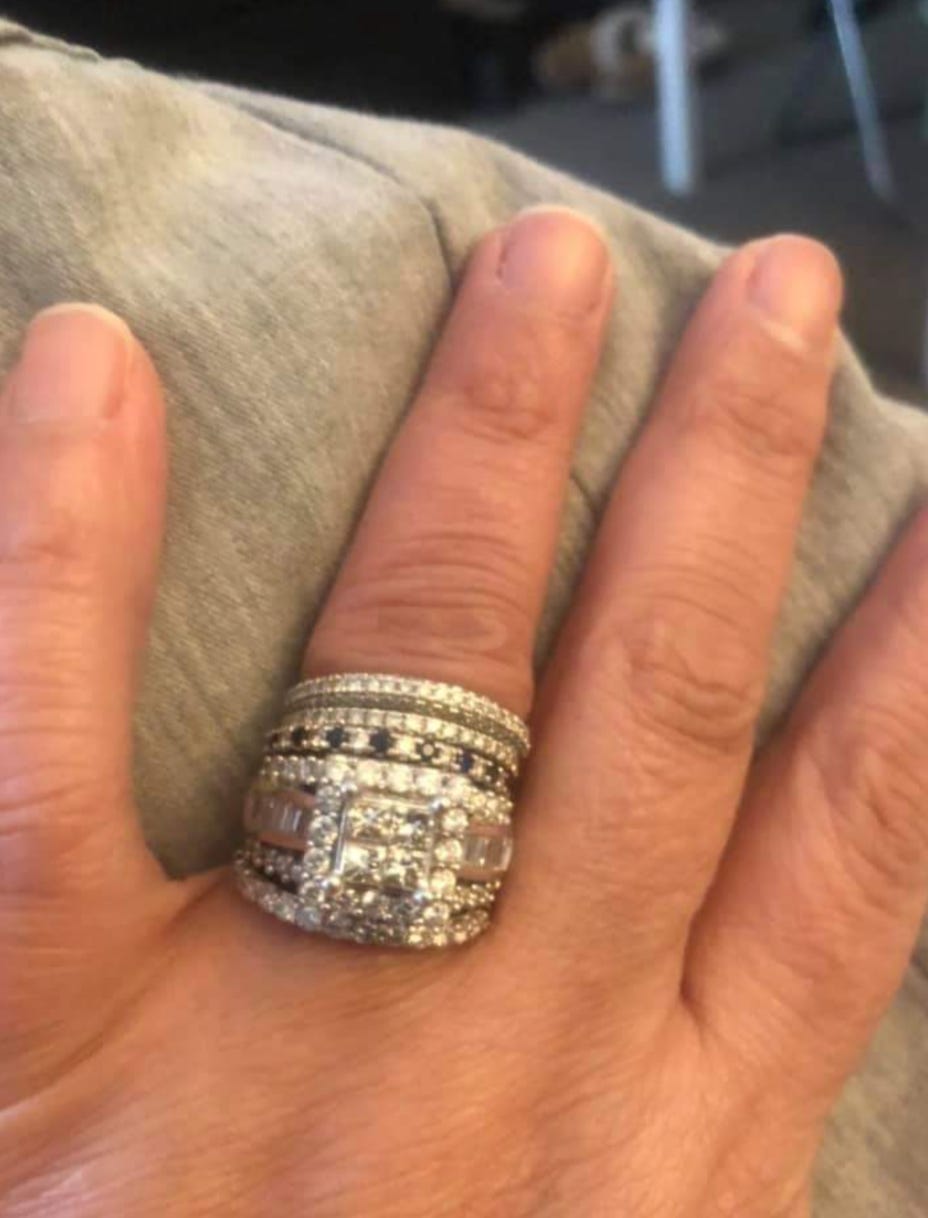
Personally, I think three rings is usually a good benchmark on a single finger if you want the stack to be elegant. Beyond that, you might find your finger becoming overcrowded. This depends on how thick bands are and the design of the rings of course.
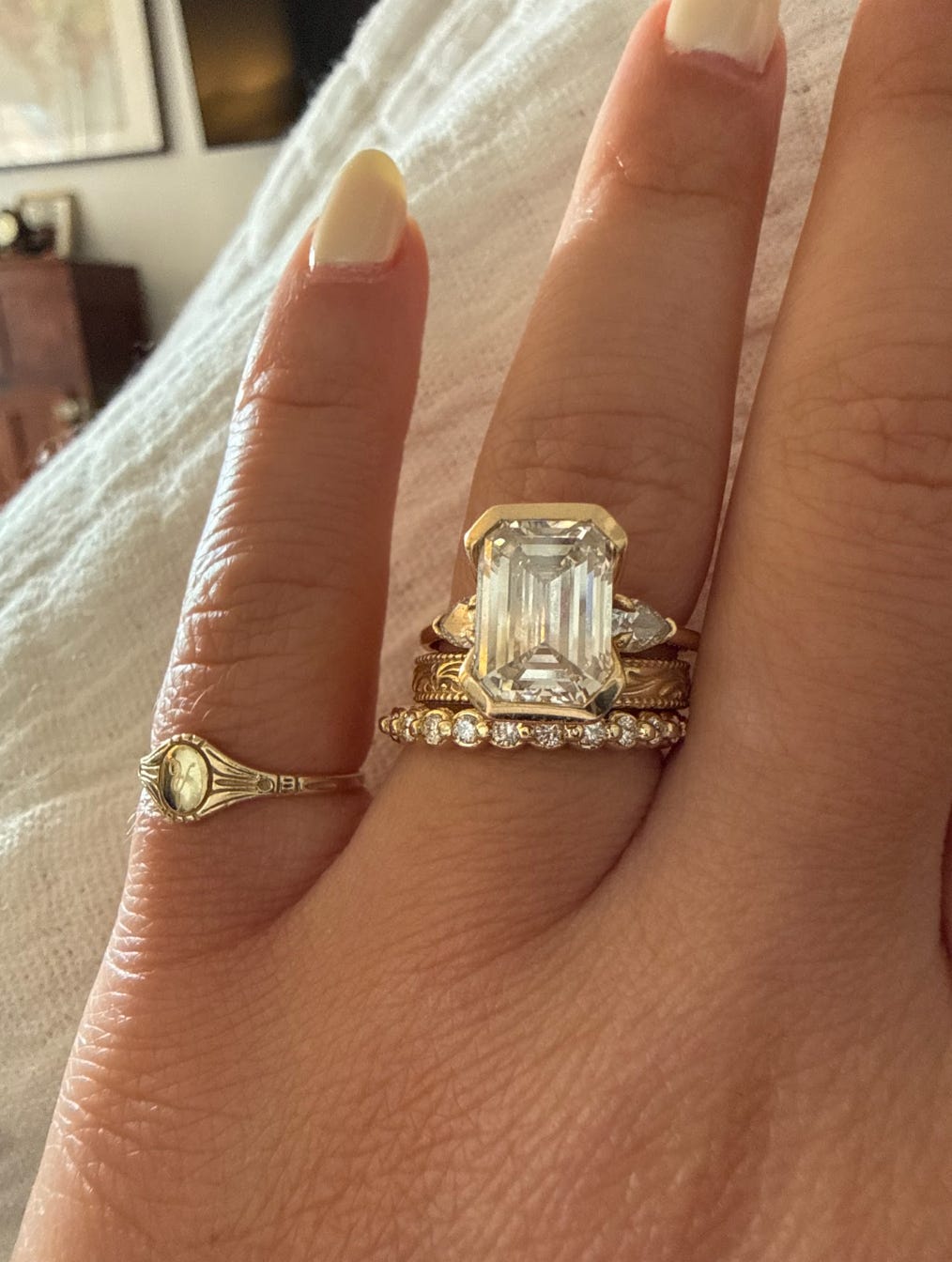
And let’s not forget: If there are other rings you want to wear, just wear them on a different finger.
From the studio,
Guillaume